PCOS is manageable — and you don't have to face it alone
Personalized, evidence-based care for Polycystic Ovary Syndrome from Dr. Amir Bashir — restoring hormonal balance, regular cycles, fertility and confidence.
15+ Years Experience
1 in 10 Women affected
4.9★ Google Rating
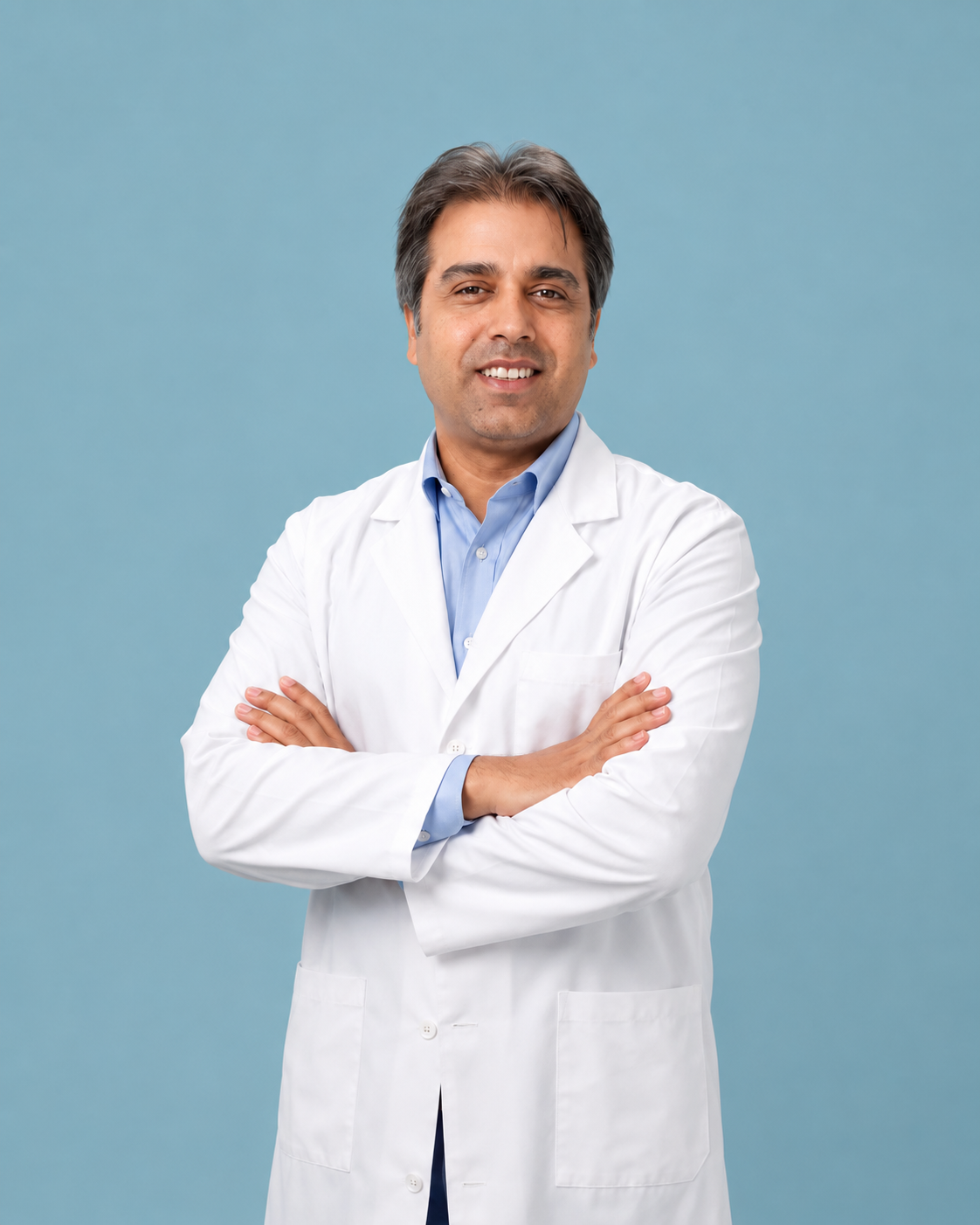

What is PCOS / PCOD?
A common hormonal imbalance — not a life sentence
Polycystic Ovary Syndrome (PCOS), also called PCOD, is a hormonal disorder where the ovaries produce excess androgens. This disrupts ovulation, causing irregular periods, small ovarian cysts, and a cluster of metabolic effects.
It’s one of the most common endocrine conditions in women of reproductive age — and one of the most treatable. With the right plan, cycles regularize, symptoms ease, and fertility often returns.
- Excess androgen (male hormone) production
- Irregular or absent ovulation
- Strongly linked to insulin resistance
- Highly responsive to the right treatment
Signs & Symptoms
Recognize the signs of PCOS
Symptoms vary widely. If several of these sound familiar, a proper evaluation is worth it.
📅
Irregular Periods
Infrequent, absent or unpredictable menstrual cycles.
🌱
Excess Hair Growth
Hirsutism on the face, chest or back from high androgens.
💢
Acne & Oily Skin
Persistent adult acne, especially along the jaw and chin.
⚖️
Weight Gain
Difficulty losing weight, often around the abdomen.
💇
Hair Thinning
Scalp hair loss in a male-pattern distribution.
🤰
Fertility Struggles
Difficulty conceiving due to irregular ovulation.
Causes & Risk Factors
What drives PCOS?
If it’s related to hormones, blood sugar, weight, growth or metabolism u2014 Dr. Amir Bashir treats it.
🔬
Insulin Resistance
High insulin drives the ovaries to make more androgens — a central factor in most cases.
⚗️
Hormonal Imbalance
Elevated androgens and disrupted LH/FSH signalling interfere with ovulation.
🧬
Genetics
PCOS often runs in families — a mother or sister with it raises your risk.
🔥
Low-grade Inflammation
Chronic inflammation can further stimulate androgen production.
Understanding Diabetes
Living well with PCOS
Add your detailed content here. This section is intentionally free of cards — a clean, readable column for long-form explanation, patient education, or anything you’d like to describe in depth about PCOS and its management.
You can write multiple paragraphs, and they’ll flow naturally in this comfortable reading width. Use it to expand on how PCOS affects daily life, what to expect during treatment, or to answer the questions patients most often ask before their first visit.
A sub-heading you can rename
Break longer content into sections with sub-headings like the one above. Edit any of this text directly, add new paragraphs, or remove what you don’t need — the layout adapts to whatever content you place here.
Diagnosis & Testing
Precise, guideline-based diagnostics
Diagnosis follows the Rotterdam criteria — combining symptoms, blood work and imaging for an accurate picture.
Hormone Panel
Testosterone, LH, FSH and prolactin to assess your hormonal profile.
Pelvic Ultrasound
Imaging to check for the characteristic polycystic ovarian appearance.
Glucose & Insulin
Screening for insulin resistance and pre-diabetes risk.
Thyroid & Lipids
Ruling out mimicking conditions and checking metabolic health.
Our Approach
Treatment tailored to your goals
Whether your priority is regular cycles, fertility, clearer skin or weight — your plan is built around what matters most to you.
01
Evaluate
Full hormonal and metabolic assessment to confirm PCOS and its subtype.
02
Personalize
A plan targeted to your priority — cycles, fertility, skin or weight.
03
Treat
Medication, insulin-sensitizers or ovulation support, plus lifestyle coaching.
04
Monitor
Regular follow-up to fine-tune therapy and protect long-term health.
Lifestyle & Self-Care
Everyday habits that move the needle
Lifestyle change is the foundation of PCOS care — even modest shifts can restore ovulation and ease symptoms.
🥗
Balanced Diet
Low-glycemic, whole-food eating to steady insulin and hormones.
🏃
Regular Exercise
Consistent movement improves insulin sensitivity and mood.
😌
Stress & Sleep
Managing cortisol and rest to support hormonal balance.
⚖️
Weight Management
Modest, sustainable loss can restore ovulation and cycles.
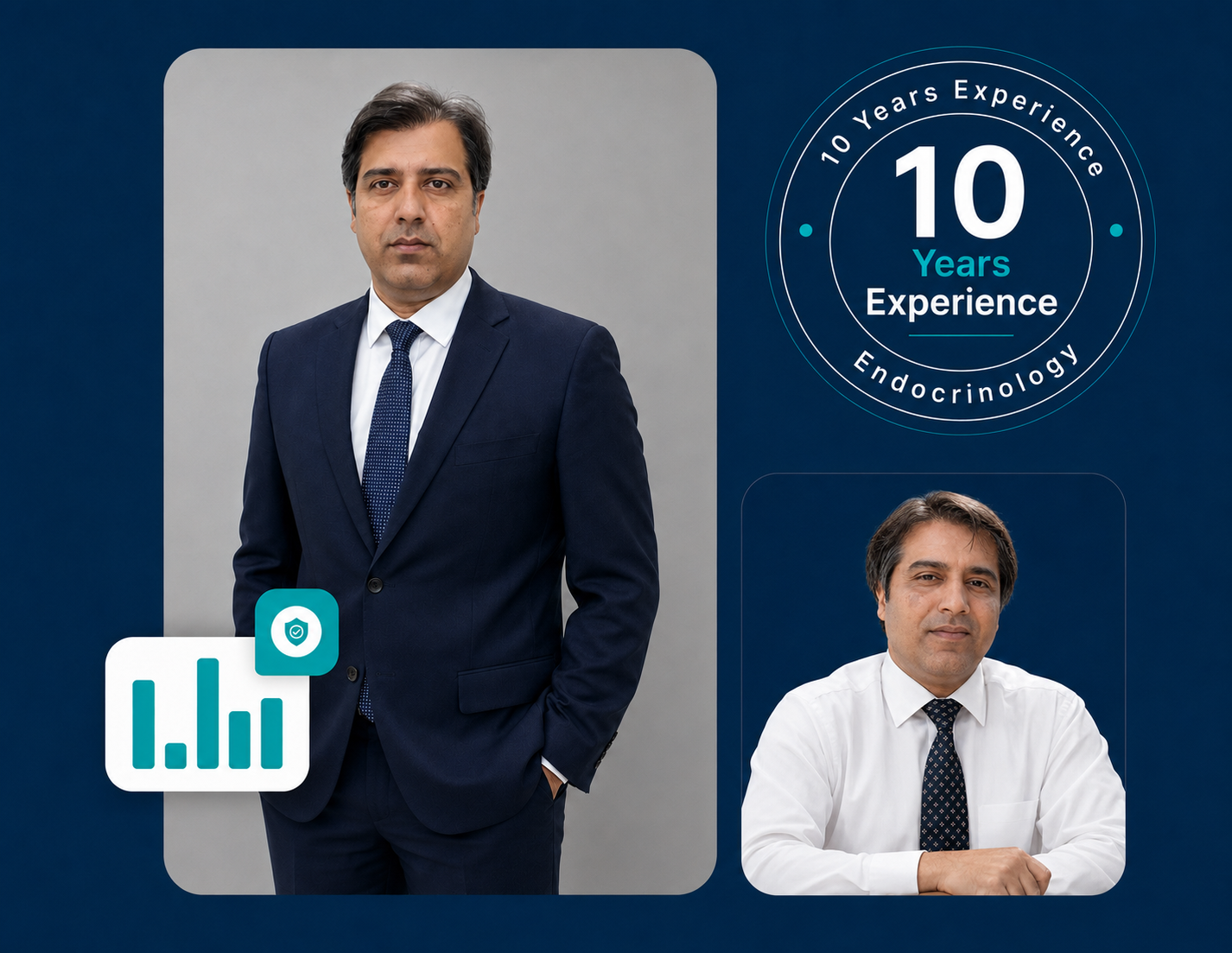
Why Dr. Amir Bashir
Compassionate, expert PCOS care
As an endocrinologist, Dr. Amir Bashir treats the hormonal root of PCOS — not just the symptoms — with a warm, judgment-free approach trusted by women across South Punjab.
Hormone Specialist
An endocrinologist who treats the metabolic root of PCOS, not just symptoms.
Judgment-Free Care
A warm, private space to discuss sensitive concerns openly.
Goal-Based Plans
Treatment built around what matters most to you — fertility, skin or cycles.
Ongoing Support
Evening timings, WhatsApp follow-up and long-term monitoring.
Patient Stories
Real results, real relief
“My HbA1c dropped from 11.2 to 6.8 in six months. Dr. Amir explains everything patiently and adjusts the plan to real life.”
Ayesha K.
Diabetes Patient
“After years of fatigue, the right thyroid diagnosis and dose finally worked. I feel like myself again.”
Muhammad Tariq
Thyroid Patient
“Practical, kind and evidence-based. My periods regularized within four months and I lost 9 kg.”
Sana R.
PCOS Patient
“We were worried about our son’s height. Dr. Bashir’s investigations and treatment gave us a clear plan and real progress.”
Imran M.
Parent
Frequently Asked
Common questions about PCOS
Is PCOS curable?
Can I get pregnant with PCOS?
Yes. PCOS is a leading cause of treatable infertility. With ovulation-inducing treatment and lifestyle support, the majority of women with PCOS are able to conceive.
Will I have to take medication forever?
Does losing weight help PCOS?
Even a 5–10% reduction in body weight can restore regular ovulation and significantly improve symptoms. Weight isn’t the whole story, but it’s a powerful lever for many patients.
What should I bring to my first visit?
Any recent lab reports or ultrasound scans, a record of your menstrual cycle dates, a list of current medications, and notes on the symptoms troubling you most.